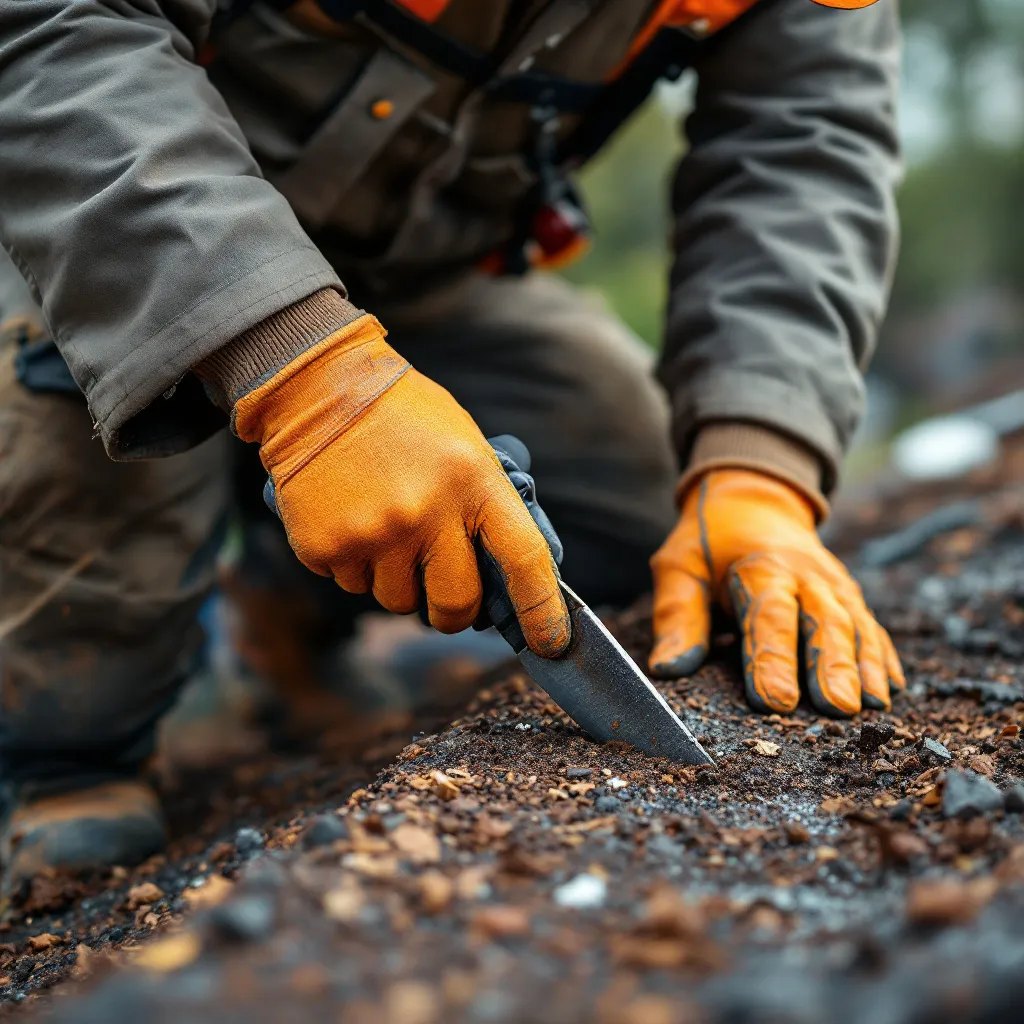
Tulsa homeowners often make critical errors when managing their roofing needs, leading to expensive repairs and shortened roof lifespans. The most common mistakes include delaying necessary inspections until visible damage appears, selecting contractors based solely on the lowest estimate, and attempting DIY repairs on complex roofing systems. Many residents also overlook the importance of proper attic ventilation in Oklahoma's climate, fail to address minor leaks promptly, and choose roofing materials unsuited for the region's severe weather patterns. Understanding these pitfalls helps property owners make informed decisions that protect their housing investment and ensure long-term roof performance through Tulsa's challenging seasonal conditions.
Selecting a contractor based exclusively on pricing often results in substandard workmanship and materials that fail prematurely. The lowest estimate typically reflects corners being cut somewhere in the process, whether through inadequate surface preparation, inferior asphalt shingle grades, or rushed installation techniques. Local roofing companies that provide suspiciously low bids may lack proper licensing or insurance coverage, leaving homeowners liable for accidents and defective work. When problems emerge months later, these budget contractors frequently prove impossible to contact for warranty claims, forcing property owners to pay twice for the same roof repair or replacement work.
Quality roofing services require skilled labor, premium materials, and comprehensive project management that budget operations simply cannot provide at rock-bottom rates. Experienced roofers invest in ongoing training, maintain proper equipment, and source materials from reputable manufacturers who stand behind their products. A slightly higher estimate from an established business typically includes thorough inspection protocols, detailed contracts, and accountability that protects your residential investment. The difference between a fifteen-year roof and a thirty-year roof often comes down to installation quality rather than material cost alone, making the initial savings from a cheap bid a false economy.
Rather than focusing solely on affordability, Tulsa homeowners should request multiple estimates and evaluate the complete scope of work, material specifications, and contractor credentials. A free estimate should include detailed line items explaining labor, materials, disposal fees, and warranty coverage. Verify that any roofer under consideration holds current Oklahoma licensing, maintains liability insurance, and can provide references from recent local projects. The modest additional investment in a reputable contractor pays dividends through proper installation, reliable warranty support, and a roof system that withstands Oklahoma's hail, wind, and temperature extremes for decades.
This decision hinges on several factors including the roof's current age, the extent of damage, and the cost-effectiveness of continued repairs versus full replacement. A roof approaching or exceeding its expected lifespan—typically twenty to twenty-five years for standard asphalt shingle systems—generally warrants replacement rather than ongoing patch work. When repair costs exceed half the price of a new roof, replacement becomes the financially sensible choice. Multiple leak points, widespread shingle deterioration, or structural issues like sagging decking indicate that isolated repairs will only delay the inevitable while allowing hidden damage to worsen beneath the surface.
Homeowners should schedule a professional inspection to assess conditions that aren't visible from ground level. Experienced contractors examine not just the shingle surface but also underlying decking, flashing integrity, ventilation adequacy, and signs of moisture intrusion or dry rot in the attic space. A single leak in an otherwise sound roof with years of serviceable life remaining makes repair the logical option. However, if inspection reveals compromised decking, failed underlayment, or damage spanning multiple roof sections, replacement prevents the cascading failures that occur when aging systems finally give way during severe weather events common to the Tulsa region.
Consider also how long you plan to remain in your home and whether you're addressing other housing improvements. A new roof installation provides an opportunity to upgrade to more durable materials like metal roofing or architectural shingles that offer superior wind resistance and hail protection. Replacement allows for correcting ventilation deficiencies and installing modern ice-and-water barriers that weren't standard when older roofs were built. While repair costs less initially, replacement eliminates the uncertainty and recurring maintenance expenses associated with an aging system, often improving energy efficiency and property value simultaneously.
Oklahoma's severe weather patterns make certain roofing upgrades particularly valuable for Tulsa homeowners. Impact-resistant shingles rated Class 4 provide meaningful protection against the region's frequent hail events and often qualify for homeowners insurance discounts that offset their higher initial cost. These specialized shingles feature reinforced construction that resists cracking and puncturing better than standard products. Enhanced underlayment systems with synthetic materials offer superior water resistance and durability compared to traditional felt paper, creating an additional barrier against wind-driven rain that penetrates beneath damaged shingles during storms. These upgrades transform your roof from merely adequate to genuinely resilient against local climate challenges.
Proper attic ventilation represents another upgrade that delivers substantial returns in Oklahoma's temperature extremes. Ridge vents combined with adequate soffit ventilation create continuous airflow that reduces attic temperatures by twenty to thirty degrees during summer months, lowering cooling costs and extending shingle life. Insufficient ventilation causes heat and moisture buildup that accelerates shingle aging, promotes dry rot in wooden components, and creates ice dam conditions during winter freezes. Many older Tulsa homes lack adequate ventilation by modern standards, making this improvement particularly worthwhile during roof replacement projects when access to these systems is already available.
Metal roofing deserves consideration for homeowners planning long-term ownership, despite higher upfront costs compared to asphalt shingle systems. Metal roofs withstand Oklahoma's high winds, resist hail damage better than most alternatives, and typically last fifty years or more with minimal maintenance. They reflect solar radiation more effectively than dark shingles, reducing cooling loads during brutal summer months. While the initial investment runs significantly higher, the extended lifespan means most homeowners never replace a metal roof, eliminating future replacement costs entirely. For properties with tile or other premium roofing materials nearing replacement age, metal often proves more cost-effective than installing another generation of the same material.
Most roofing problems begin as minor issues that remain invisible to homeowners until they evolve into major failures requiring extensive repair or premature replacement. Small leaks around flashing or damaged shingles allow water infiltration that saturates decking and insulation long before ceiling stains appear inside the home. By the time interior damage becomes visible, the underlying structure often requires significant reconstruction beyond simple shingle replacement. Annual inspections by qualified roofing companies identify these developing problems when repairs remain simple and inexpensive, preventing the exponential cost increase that accompanies delayed intervention.
Oklahoma weather accelerates roof deterioration through mechanisms that aren't immediately obvious. Hail impacts create bruising in shingles that compromises their waterproofing integrity without producing visible holes. Wind events lift shingle edges, breaking the seal that prevents water intrusion. Thermal cycling between summer heat and winter cold causes expansion and contraction that gradually loosens fasteners and opens gaps in flashing. Professional inspection catches these subtle forms of damage before they cascade into wholesale system failure. Contractors examine areas homeowners typically cannot safely access, including valleys, ridges, and the bases of chimneys and vent pipes where problems most commonly develop.
Regular inspection also provides documentation valuable for insurance claims following storm damage. Many homeowners discover too late that roof damage occurred during a covered weather event months or years earlier, but the claim window has closed because the damage wasn't promptly identified and reported. Scheduling inspections after significant storms creates a record of your roof's condition and establishes causation if problems emerge. This proactive approach protects your ability to recover costs for legitimate storm damage rather than being told that deterioration resulted from age or maintenance neglect rather than a covered peril.
Well-intentioned DIY roof repair attempts frequently cause more damage than the original problem, particularly when homeowners lack understanding of proper roofing techniques and material compatibility. Walking on roofs without proper precautions crushes granules on asphalt shingles and cracks brittle materials, creating new leak points. Using incorrect sealants or fasteners introduces incompatible materials that accelerate deterioration through chemical reactions or differential expansion rates. Patching visible symptoms without addressing underlying causes simply masks problems that continue worsening beneath cosmetic fixes, often spreading damage to adjacent areas before the inadequate repair inevitably fails.
Even seemingly straightforward tasks like replacing a few damaged shingles require specific knowledge about installation sequences, proper nailing patterns, and sealing techniques that ensure weather-tight performance. Shingles must be installed in the correct orientation with adequate overlap, secured with the right number and placement of fasteners, and sealed to adjacent courses to resist wind uplift. Missing any of these steps creates vulnerabilities that allow water penetration and wind damage. Residential roofing systems function as integrated assemblies where each component depends on proper installation of surrounding elements. Amateur repairs disrupt this integration, creating weak points that compromise the entire system's performance.
Professional roofers also recognize when visible damage indicates deeper structural issues requiring more extensive intervention than surface repairs. A leak might stem from failed flashing, inadequate underlayment, or compromised decking rather than just damaged shingles. Attempting to fix symptoms without diagnosing root causes wastes money on ineffective repairs while allowing hidden damage to progress. Licensed contractors have the training and experience to identify these underlying problems and implement comprehensive solutions that actually resolve issues rather than temporarily concealing them. The cost of proper professional repair typically proves far less than fixing the compounded damage that results from inadequate DIY attempts.
Many Tulsa homeowners choose roofing materials based primarily on appearance or initial cost without considering performance characteristics essential for Oklahoma's climate. Selecting shingles with inadequate wind ratings for the region's severe thunderstorms virtually guarantees premature failure during the next major weather event. Similarly, choosing materials without sufficient impact resistance leaves roofs vulnerable to the hail damage that occurs with frustrating regularity across the area. Color selection also matters more than most people realize—dark shingles absorb significantly more heat than lighter alternatives, increasing cooling costs and accelerating thermal aging in Oklahoma's intense summer sun. These decisions have consequences that extend decades beyond installation day.
Material compatibility represents another frequently overlooked consideration. Mixing different metal types in flashing and fasteners creates galvanic corrosion that rapidly degrades connections. Using synthetic underlayment with certain adhesives or sealants can cause chemical reactions that compromise waterproofing. Even selecting premium shingles without upgrading ventilation systems creates conditions where superior materials fail prematurely due to excessive heat and moisture exposure. A quality installation requires coordinating all system components to work together effectively rather than simply installing whatever products happen to be on sale or readily available when the project begins.
Homeowners also frequently underestimate the importance of matching new materials to their home's structural capacity and architectural style. Heavy tile or slate roofing requires structural support that many residential frames cannot provide without expensive reinforcement. Certain materials perform poorly on low-slope sections common in complex roof designs. Premium products may offer features irrelevant to your specific situation while budget materials might lack capabilities your roof genuinely needs. Consulting with experienced local contractors helps identify materials that balance performance requirements, aesthetic preferences, structural limitations, and budget realities rather than making selections based on incomplete information or misleading marketing claims.
Shew's Top Quality Roofing and Guttering provides roofing and gutter services in Tulsa, Oklahoma. The Google listing identifies the business For professional help anywhere in Tulsa, visit professional roofer.
☎Call (918) 266-7946 Shew's Top Quality Roofing and Guttering