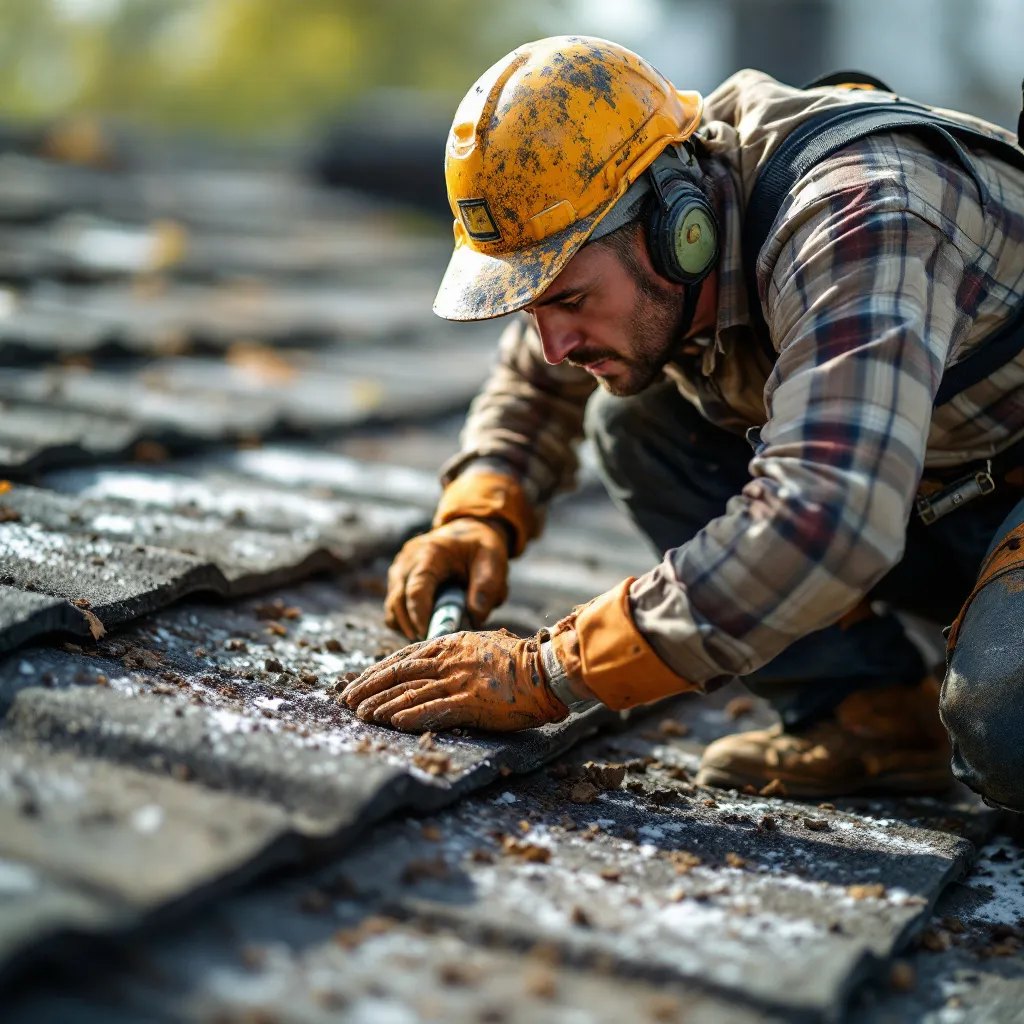
When severe weather strikes Tulsa, knowing how to respond to roof damage can mean the difference between a quick repair and extensive interior destruction. After storm damage, your first priority is safety: evacuate anyone from rooms with active leaks or structural compromise, then document the damage with photos before contacting your insurance company. Reach out to a licensed local roofer immediately, even if it's after hours, as many Tulsa roofing companies maintain emergency lines specifically for storm situations. While you wait for professional assessment, take temporary measures to prevent water intrusion, but avoid climbing onto a damaged roof yourself. Swift action protects your home and often reduces overall repair costs significantly.
Response times for emergency roof repair in Tulsa vary depending on the severity and scope of recent weather events. During isolated incidents affecting only a few properties, established roofing companies typically arrive within two to four hours of your call. However, after widespread storm damage when multiple neighborhoods experience simultaneous problems, even the most responsive businesses may require twenty-four to forty-eight hours to reach your property. Companies prioritize calls based on severity, with active leaks threatening interior spaces or structural instability taking precedence over cosmetic damage or minor shingle loss.
The best approach involves calling your preferred roofer immediately after discovering damage rather than waiting to see if conditions worsen. Many Tulsa roofing services maintain relationships with their existing customers and may prioritize previous clients during high-demand periods. If your regular contractor cannot respond quickly, they often refer you to trusted colleagues with available capacity. Keep contact information for at least two or three licensed local roofing companies on hand before storm season arrives, giving you multiple options when emergencies strike.
Emergency response doesn't always mean immediate repair. Initial visits often focus on assessment, temporary protection measures, and documentation for insurance purposes. A professional inspection identifies the full extent of damage, determines whether tarping or emergency patching will suffice temporarily, and provides you with a detailed estimate for permanent repairs. This systematic approach prevents hasty decisions that might overlook hidden problems or result in inadequate solutions that fail within months of installation.
The decision to tarp your own roof depends entirely on your physical capability, the roof's accessibility, and current weather conditions. If you can safely access the damaged area from inside your attic or through a window without climbing onto the roof surface itself, securing a tarp from below or through an opening represents a reasonable temporary measure. However, climbing onto any roof, especially one with storm damage, introduces serious risk of injury from falls, unstable surfaces, or additional structural compromise. Wet roofing materials become extremely slippery, and damaged sections may not support your weight even if they appear intact.
Professional roofers possess proper safety equipment, including harnesses, non-slip footwear, and stabilization tools that homeowners typically lack. They also understand how to secure tarps effectively so they withstand additional wind and rain rather than simply shifting or tearing loose during the next weather event. A poorly installed tarp can cause additional damage by trapping moisture against roofing materials, creating conditions for dry rot and accelerated deterioration. The modest cost of professional emergency tarping services provides substantial value compared to the medical expenses and liability associated with a roofing fall or the property damage from an inadequate temporary fix.
If you must take action before help arrives and cannot do so safely from inside, focus on interior protection instead. Place buckets under active leaks, move furniture and valuables away from affected areas, and use towels or plastic sheeting to protect flooring. Document everything with photographs showing both exterior damage visible from the ground and interior water intrusion. This documentation proves invaluable for insurance claims while keeping you safely at ground level until qualified professionals arrive with proper equipment and expertise.
Emergency roofing services typically cost twenty-five to fifty percent more than the same work performed during regular business hours under non-urgent conditions. This premium reflects the immediate availability, after-hours scheduling, and prioritization that emergency calls require. A standard roof repair addressing moderate shingle damage might cost eight hundred to fifteen hundred dollars during normal circumstances, while the identical repair performed as an emergency service could range from one thousand to two thousand dollars. The specific pricing depends on damage extent, materials required, accessibility challenges, and current demand levels following widespread storm events.
Many Tulsa roofing companies structure emergency pricing in two phases: an initial service call fee covering assessment, temporary protection measures like tarping, and detailed documentation, followed by a separate estimate for permanent repairs. The emergency service call typically ranges from two hundred to five hundred dollars, with this amount sometimes credited toward your final repair bill if you proceed with the same contractor. This approach allows you to secure immediate protection for your home while making informed decisions about permanent repairs after reviewing insurance coverage and obtaining multiple estimates if desired.
Understanding what constitutes genuine emergency work versus repairs that can wait helps you avoid unnecessary premium charges. True emergencies involve active water intrusion, exposed roof decking vulnerable to weather, or structural instability threatening safety. Missing shingles on a section that remains weather-tight until the next rain, minor flashing separation without current leaks, or cosmetic damage to guttering can typically wait for standard-rate service without risking additional harm. A reputable roofer will honestly assess whether immediate action is necessary or if scheduling regular-rate service within a few days provides adequate protection for your specific situation.
Verification of proper licensing and insurance becomes even more critical during emergency situations when pressure to act quickly might tempt you to skip due diligence. Every roofing contractor working in Tulsa should carry current liability insurance and workers compensation coverage protecting you from financial responsibility if accidents occur on your property. Request proof of both before allowing any work to begin, and verify the documents directly with the insurance carrier if you have any doubts about authenticity. Storm events unfortunately attract unlicensed operators who exploit homeowner desperation, often providing substandard work that creates more problems than it solves.
Local established businesses with physical offices and long-term community presence offer advantages over contractors who appear only after major storms. A roofer with years of experience in Tulsa understands regional weather patterns, common storm damage scenarios, and building codes specific to Oklahoma. They maintain relationships with local suppliers ensuring access to appropriate materials even when demand spikes, and their reputation depends on quality work that holds up through subsequent weather events. Check online reviews on platforms like Yelp, but focus on patterns across many reviews rather than individual complaints, as even excellent companies occasionally face disputes.
The best emergency roofers provide clear communication about what they can accomplish immediately versus what requires follow-up visits, offer detailed written estimates before beginning work, and explain how their services interact with your insurance claim process. They should conduct thorough inspections identifying all damage rather than focusing only on obvious problems, since hidden issues with underlayment, decking, or flashing often accompany visible shingle damage. Residential roofing systems function as integrated assemblies where addressing surface problems while ignoring underlying deterioration leads to recurring leaks and premature failure of new materials.
Comprehensive documentation begins immediately after you discover damage and continues throughout the repair process. Photograph all affected areas from multiple angles, capturing both wide shots showing overall damage patterns and close-ups revealing specific problems like missing shingles, torn flashing, or punctures from debris. Take exterior photos from ground level showing damage visible from the street, and safely document interior evidence including water stains, active leaks, and damaged ceilings or walls. Date-stamp your photos if possible, or email them to yourself creating a verifiable timeline. This visual record proves the damage existed and establishes its extent before any repairs begin.
Professional roof inspections provide detailed assessments that carry significant weight with insurance adjusters. When a licensed roofer examines your property, request a written report describing all damage discovered, identifying which problems resulted from the recent storm versus pre-existing conditions, and estimating repair costs with material specifications. Insurance companies often send their own adjusters, but having an independent professional assessment protects your interests if the insurer's evaluation seems incomplete or undervalues necessary work. Many roofing services offer free estimates that serve this documentation purpose while helping you understand the full scope of required repairs.
Maintain records of all emergency measures and their costs, including professional tarping services, water damage mitigation, and temporary repairs preventing further destruction. These expenses typically qualify for insurance reimbursement as part of your overall claim. Keep receipts, service agreements, and any communication with contractors or emergency services. Note the storm date, approximate time damage occurred, and weather conditions based on local news reports or National Weather Service data. This complete documentation package demonstrates your prompt action to mitigate damage, supports your claim amount, and expedites the approval process so permanent repairs can proceed without unnecessary delays.
The distinction between repairable damage and replacement needs depends on several factors including damage extent, roof age, and long-term cost effectiveness. If storm damage affects more than thirty percent of your roof surface, replacement often makes more financial sense than extensive repairs, particularly when the existing roof has already served fifteen or more years of its expected lifespan. Asphalt shingle roofs typically last twenty to twenty-five years, while metal roofing systems can endure forty years or longer. Investing in major repairs to an aging roof that will require replacement within a few years anyway rarely represents wise use of insurance proceeds or personal funds.
Structural damage to roof decking, widespread water intrusion that has compromised underlayment integrity, or multiple leak points across different roof sections often indicate that repair attempts will prove inadequate. A quality inspection reveals whether damage remains superficial or extends to the roof assembly's foundational layers. Hidden deterioration frequently accompanies visible storm damage, particularly when previous minor leaks went unaddressed and created conditions for dry rot in decking materials. Once rot establishes itself in wooden roof structures, affected sections must be replaced entirely since the material has lost its structural integrity and cannot reliably support new shingles or other covering materials.
Insurance coverage significantly influences the repair versus replacement decision. Many policies include provisions for full replacement when damage exceeds certain thresholds, recognizing that extensive repairs to severely damaged roofs provide only temporary solutions. Your roofing contractor should work directly with your insurance adjuster, providing detailed assessments that support appropriate claim amounts. A new roof installation following major storm damage offers advantages beyond simply addressing immediate problems: modern materials often provide better weather resistance, improved energy efficiency, and longer warranties than the roofing system they replace. This transforms an unfortunate situation into an opportunity for meaningful home improvement that enhances both protection and property value.
Shew's Top Quality Roofing and Guttering provides roofing and gutter services in Tulsa, Oklahoma. The Google listing identifies the business For professional help anywhere in Tulsa, visit expert roofer in Tulsa.
☎Call (918) 266-7946 Shew's Top Quality Roofing and Guttering